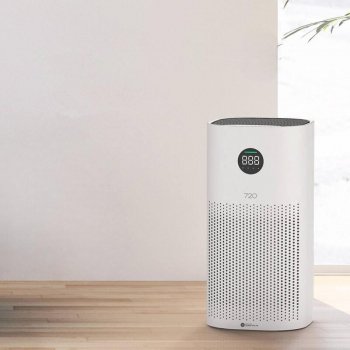
Yes—air purifiers with true HEPA filters can work very well for improving indoor air by removing tiny airborne particles. A certified HEPA filter is designed to capture at least 99.97% of particles down to 0.3 microns, which includes many common triggers like dust, pollen, and fine particulate matter that can irritate breathing and worsen allergies.
Real-world results depend on matching the purifier to the space and how it’s used. The most important spec is CADR (Clean Air Delivery Rate) or a recommended room size based on standardized testing. If a unit is too small for the room, it will still filter air—but it may take much longer to noticeably reduce particle levels.
HEPA filtration excels at particles: smoke particulates, pet dander, dust, pollen, and many airborne allergens. It does not “kill” germs on its own, and it’s not designed to remove gases and odors. For smells, VOCs, and chemical fumes, a purifier needs a substantial activated carbon (or other sorbent) stage in addition to HEPA.
Place the purifier where airflow isn’t blocked, keep doors/windows reasonably closed while it’s running, and use a higher setting when cooking, cleaning, or during wildfire smoke days. Replace filters on schedule; a clogged filter reduces airflow and can cut performance even if the fan still runs.
Noise can be the biggest barrier to consistent use. A quieter model that can run continuously (especially overnight) often delivers better day-to-day air quality than a louder unit that gets turned off. For more tips on choosing a quiet, smart HEPA option for bedrooms, offices, and shared living spaces, see the guide here: quiet smart HEPA air purifier guide.
Most HEPA filters last about 6–12 months, but heavy smoke, pets, or dusty homes can shorten that. Follow the manufacturer’s indicator and schedule, and replace sooner if airflow drops or the filter looks visibly loaded.



Leave a comment