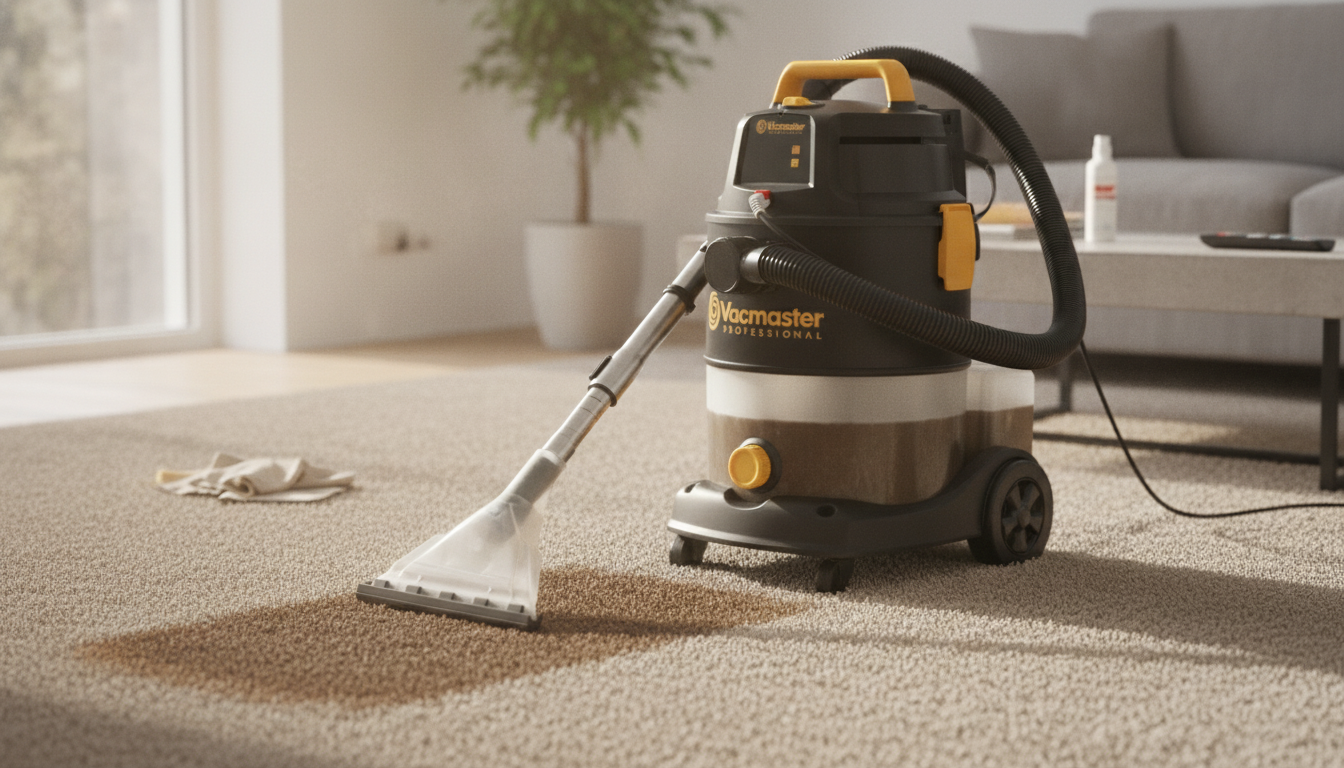
For workshops, garages, job sites, and large homes, cleanup often means switching tools between dust, spills, and deep carpet messes. A multi-function industrial vacuum that handles wet/dry pickup and carpet shampooing can cut downtime, reduce clutter, and simplify routine maintenance. Below is a practical look at what to expect from a 1300W, 30L unit with remote control, how it fits into real-world cleaning, and how to keep performance consistent over time.
A true multi-function industrial vacuum is designed to cover the “mess spectrum” without constantly changing machines. The goal is simple: handle wet pickup, dry debris, and extraction-style carpet cleaning with one base unit and the right attachments.
If you want one machine to cover everyday shop cleanup plus periodic carpet and upholstery refresh work, a multi-function configuration can be a practical middle ground between a basic wet/dry vac and a dedicated extractor.
These headline specs matter most for day-to-day convenience: motor power for pickup, tank capacity for fewer interruptions, and the features that reduce “back-and-forth” movement during cleaning.
| Feature | What it means for daily use |
|---|---|
| Power (1300W) | Helps deliver consistent suction for heavier debris and wet pickup |
| Tank size (30L) | Fewer stops to empty; useful for large areas and repeated passes |
| Wet + dry modes | One unit for spills and dry dust; follow the correct filter setup for each |
| Carpet shampoo function | Supports spray/extract-style cleaning to lift embedded dirt from fibers |
| Remote control | Convenient power control while handling a hose or carpet tool |
A 30L industrial-style machine shines when you’re dealing with mixed mess types, larger footprints, or frequent resets. Common “best fit” scenarios include:
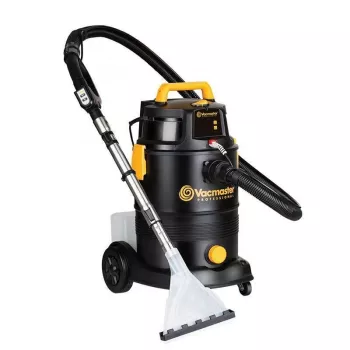
For shoppers comparing options, the 1300W 30L Multi-Function Industrial Vacuum Cleaner: Wet/Dry, Carpet Shampooer, Remote Control is built around this “one platform, multiple jobs” idea—particularly useful when the same space sees sawdust one day and carpet refresh work the next.
Wet/dry versatility is only helpful when setup and cleanup are handled correctly. A few habits keep performance high and prevent the most common issues (odors, clogs, suction loss).
If you ever notice a persistent musty smell after wet work, treat it as a moisture-management issue: rinse, fully dry components, and store with airflow. For broader moisture and mold prevention context, the EPA has straightforward guidance on moisture control and cleanup basics (EPA mold and moisture guide).
For deeper carpet-care standards and maintenance considerations, the IICRC provides professional-oriented resources that can help set expectations for cleaning frequency and best practices (IICRC resources).
If carpet and upholstery work is also part of your vehicle routine, pairing extraction with a step-by-step reference can make results more consistent. The Fresh Seats, Clean Ride – Ultimate Car Seat Cleaning Guide is a helpful add-on for organizing products, passes, and drying steps during interior refresh days.
Yes. Switch to the correct filter/setup for each mode, and after wet pickup, empty and clean the tank before returning to dry vacuuming to prevent dust clumping and odors.
Drying time depends on humidity, airflow, and how much water is applied. Strong extraction followed by fans or ventilation usually shortens drying significantly.
Keep filters clean or replaced on schedule, check hoses for clogs, and make sure seals and latches are tight. After wet jobs, prompt rinsing and thorough drying help prevent residue and airflow restriction.




Leave a comment