Dolce & Gabbana Blue Cotton Denim Pants: Fit & Care
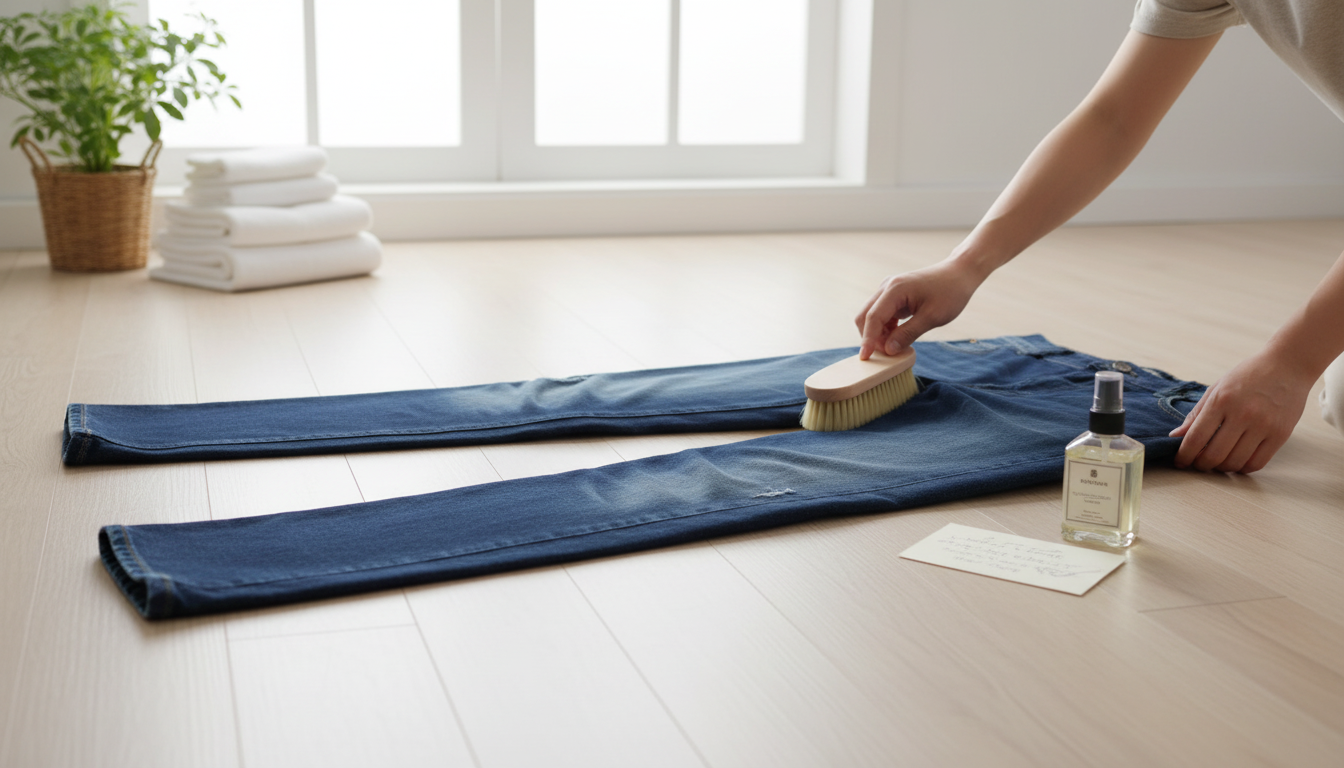
Dolce & Gabbana Blue Cotton Jeans & Pants: Fit, Fabric, and Styling Ideas
A blue cotton denim piece can anchor outfits across seasons—clean enough for smart-casual, relaxed enough for daily wear. Dolce & Gabbana blue cotton jeans and pants stand out when the fabric feels substantial, the wash looks rich, and the cut sits comfortably through the waist and seat. Below are practical checkpoints for judging quality before buying, plus fit tips, outfit formulas, and care habits that help denim keep its shape and color.
What stands out about blue cotton denim from Dolce & Gabbana
Cotton-first denim typically feels breathable and structured, which makes it easier to style with tailored layers (like a blazer) without looking overly casual. A saturated blue wash is especially versatile: it pairs cleanly with neutrals (white, black, gray, tan) and still holds its own against richer tones like burgundy or forest green.
Small finishing details often do the heavy lifting. Look for consistent stitch tension, tidy seam allowances, and pockets that sit evenly from left to right. A balanced rise and well-shaped yoke can also make a noticeable difference—helping the waistband stay put and reducing gapping when you sit or move. Finally, hardware matters more than it seems: buttons, rivets, and zipper pulls should feel smooth and solid, with clean edges that won’t snag knitwear.
Fabric and construction checkpoints (what to examine before buying)
Before choosing a pair, focus on fabric weight, stretch level, and durability where denim experiences the most stress. Mid-weight denim tends to work year-round, while heavier denim can feel sturdier but warmer (and stiffer at first). Cotton denim may be rigid or include a small stretch blend; rigid denim often breaks in beautifully, while stretch prioritizes comfort and knee recovery.
Check seams for even spacing along the inseam and outseam, and look for reinforced stitching around pockets and the fly. Also consider the wash: deep indigo can fade more dramatically over time (great for character), while prewashed finishes often stay more uniform. Don’t ignore pocket bags either—thicker, tightly woven pocketing is less likely to tear and helps the front lay flatter.
Quick fit-and-fabric guide for cotton denim pants
| Feature | What to look for | Why it matters |
|---|---|---|
| Waistband fit | Snug but not tight; stays in place without a belt | Comfort and cleaner silhouette |
| Rise | Front rise that sits comfortably; back rise that covers when sitting | Prevents gapping and improves movement |
| Thigh and knee | No pulling across the front; fabric drapes without strain lines | Better mobility and less stress on seams |
| Leg opening | Matches footwear (sleeker for loafers, wider for boots/sneakers) | Balanced proportions |
| Denim recovery | Knees don’t bag out after a few wears | Maintains shape between washes |
Getting the fit right: silhouette, rise, and hemming
Start with the waist. If you size up to fix tight thighs, you often end up with a loose waistband that needs a belt (or constant adjusting). A cleaner approach is to prioritize the waist fit and tailor elsewhere when possible.
Next, check the seat. Horizontal pulling under the back pockets can signal the seat is too tight, while excess fabric beneath the seat can mean too much room or a yoke shape that doesn’t match your body. In motion, a good pair should feel secure without digging in at the waistband.
Inseam length is the finishing touch that changes the whole vibe. A slight break reads polished, no break looks modern and sharp, and stacking tends to work best on more relaxed silhouettes. If hemming, an original-hem alteration preserves the factory finish and the natural fade line, while a standard clean hem can look intentional with minimalist, dressier outfits. Plan around shoes: boots generally need more length; loafers and low-profile sneakers can take a shorter inseam for a crisp line.
Outfit formulas that work year-round
Smart-casual (easy refinement)
Pair blue denim with a crisp white shirt, a navy blazer, and leather loafers. Keep accessories minimal—think a simple belt and a clean watch—to let the denim’s color and fit do the work.
Weekend uniform (relaxed but pulled together)
Go with a heavyweight tee, an overshirt (or denim jacket), and sneakers. This is where a slightly more textured or broken-in wash feels natural, especially with casual outerwear.
Cold weather (streamlined layers)
Warm weather (light layers, clean hem)
Care and longevity: keeping cotton denim looking sharp
Use cold water and a gentle cycle to lower shrink risk and maintain a deeper tone, and avoid high heat in the dryer—air-drying or low heat is kinder to cotton and to any elastane in stretch blends. For care standards and label expectations, reference the FTC’s care labeling guidance, and for practical wash-and-dry best practices, see Cotton Incorporated’s cotton care tips.
Options to compare: similar premium cotton denim
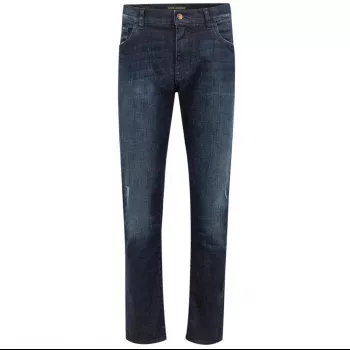
- Dolce & Gabbana Blue Cotton Jeans & Pants ($412.52)
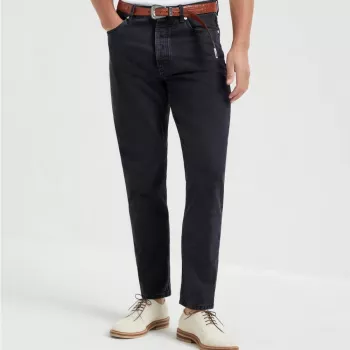
- Brunello Cucinelli Men’s Cotton Denim Pants ($662.00)
FAQ
Do cotton denim pants stretch out with wear?
They can relax slightly as the fibers warm and mold to your body, especially in high-movement areas like the seat and knees. Stretch blends may expand more, but well-made denim should recover reasonably well, and a wash typically tightens the fibers back up.
How should blue denim be washed to reduce fading?
Turn them inside out, wash in cold water on a gentle cycle with mild detergent, and avoid over-washing. Air-drying helps reduce both fading and shrinkage, and separating from light colors prevents dye transfer.
Is it better to hem denim with the original hem?
Keeping the original hem preserves the factory finish and the existing wash line, which can look more natural on denim. A standard hem is still a great option for a cleaner, dressier look, especially when pairing with loafers or minimalist sneakers.










Leave a comment