
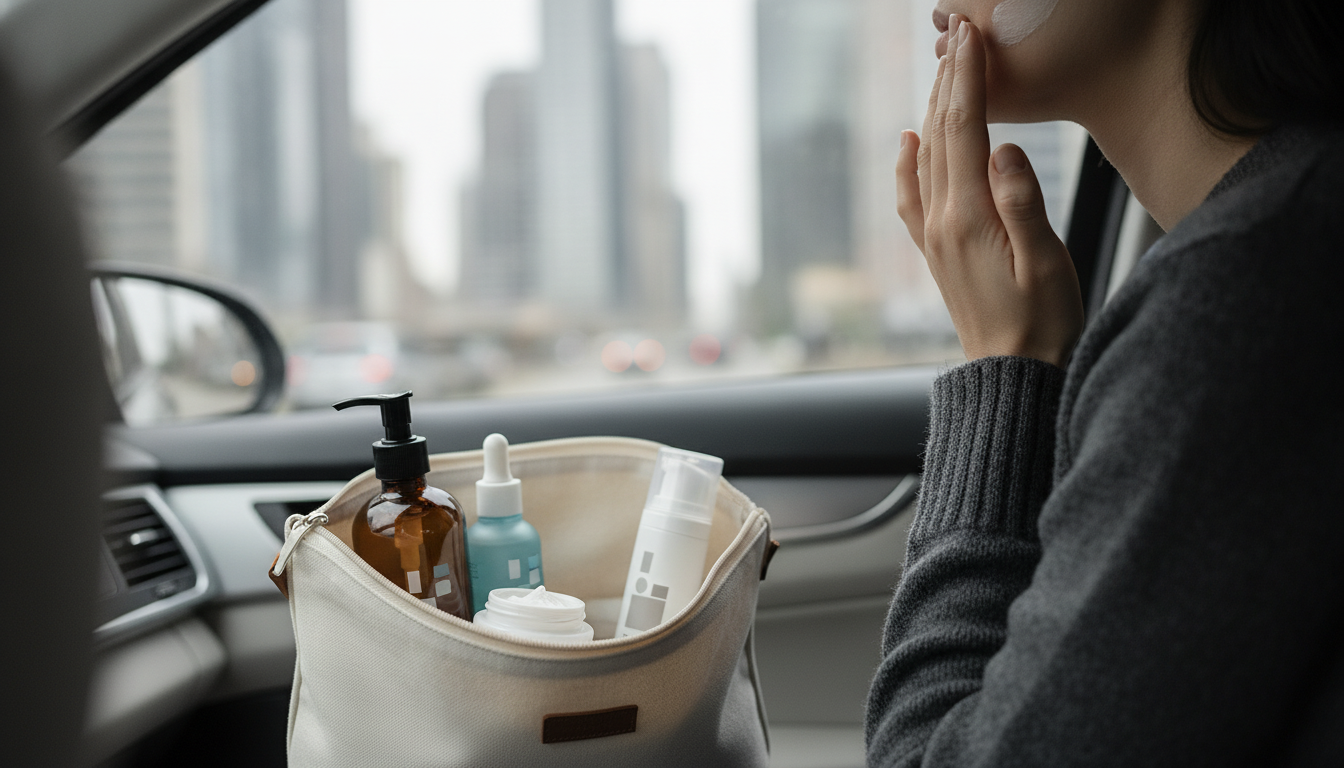
Urban air exposure can leave skin feeling tight, dull, and more reactive over time. A pollution-smart routine focuses on strengthening the skin barrier, limiting particle buildup, reducing oxidative stress, and supporting recovery—without turning skincare into a full-time job. The goal isn’t perfection; it’s consistency with a few high-impact steps that still feel doable on busy mornings and late-night commutes.
“City skin” doesn’t look the same on everyone, but there are a few patterns that show up again and again.
Air quality can change fast—wildfire smoke, construction dust, seasonal ozone, or high-traffic days all add up. For a snapshot of current conditions, check public resources like AirNow (EPA) and the World Health Organization’s air pollution overview.
A practical routine for city living can be summed up in three verbs: cleanse to remove buildup, shield to reduce irritation and dehydration, and repair at night so skin stays resilient.
| Step | Morning | Night | Notes |
|---|---|---|---|
| Cleanse | Gentle rinse or low-foam cleanser | Thorough cleanse; consider double cleanse if wearing sunscreen/makeup | Avoid harsh scrubs; friction can worsen sensitivity |
| Antioxidant | Vitamin C or niacinamide | Optional: niacinamide or soothing serum | Start low and patch test if reactive |
| Hydrate + Barrier | Ceramides, glycerin, panthenol | Richer barrier cream if dry | Barrier-first helps tolerance to actives |
| Protect | Broad-spectrum sunscreen | — | Reapply when outdoors; pollution and UV often overlap |
| Targeted treatment | — | Retinoid or gentle exfoliant on alternate nights | Don’t stack too many actives; keep irritation low |
In a city routine, the evening cleanse usually matters most. That’s when you’re removing the day’s mix of particles, oil, sunscreen, and debris so it doesn’t sit on skin overnight.
If you’re unsure what “gentle” looks like, the American Academy of Dermatology’s skincare basics are a solid reference point for minimizing irritation while staying consistent.
City living can mean more exposure to oxidants and irritants, so the “shield” step is about giving skin extra support during the day—without piling on too many layers.
A simple way to keep this step effective: choose one antioxidant plus one barrier moisturizer that you can use most days, then add soothers only when needed.
Nighttime is where a city-proof routine really pays off. The goal is steady recovery, not constant intensity.
If you prefer a structured guide you can refer back to (instead of piecing advice together), Pollution Proof Skin – A Practical eBook Guide on How to Protect Skin From Pollution for Urban & City Living breaks down daily and weekly routines, ingredient guidance, and simple adjustments for real-world schedules—commutes, workouts, and seasonal air-quality changes included. It’s designed as a practical reference for choosing gentle cleansing methods, layering antioxidants, and supporting long-term barrier resilience.
For anyone who spends a lot of time in a car (rideshare drivers, daily commuters, parents on the go), keeping the cabin environment cleaner can also reduce how much dust and debris ends up on hands, clothing, and surfaces you touch. Fresh Seats, Clean Ride – Ultimate Car Seat Cleaning Guide is a straightforward checklist-style download for maintaining a cleaner interior, which pairs well with the “hands-off face” habit during busy weeks.
Pollution can contribute to oxidative stress and barrier disruption, which may make skin look duller and more uneven over time. Daily UV protection, antioxidants, and a barrier-focused routine help reduce the visible impact long-term.
Nighttime cleansing is the priority because it removes the full day’s buildup. After unusually heavy exposure, a gentle rinse or mild cleanse can be helpful if your skin tolerates it, but over-washing can increase dryness and sensitivity.
Practical favorites include antioxidants (vitamin C/E, ferulic acid, green tea), barrier support (ceramides, glycerin, panthenol, squalane), and soothing agents (centella, allantoin, colloidal oatmeal). If you’re sensitive, patch test and introduce one new product at a time.






Leave a comment