Upcycling Old Clothes: DIY Makeovers That Look Polished

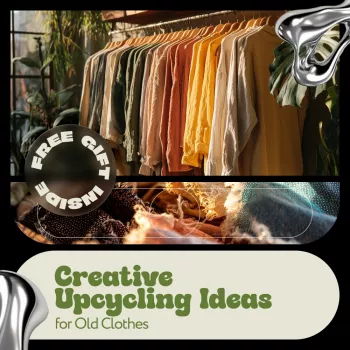
Creative Upcycling Ideas for Old Clothes: Practical DIY Clothing Makeovers and Smart Wardrobe Revamps
Upcycling old clothes turns “nothing to wear” into a set of useful, personal pieces—without buying new. A few simple techniques (strategic cutting, basic stitching, patching, dyeing, and hardware swaps) can refresh a wardrobe, reduce textile waste, and help build a more thoughtful style. The ideas below focus on practical projects that match real life: limited time, mixed skill levels, and clothes that are worn, stained, or slightly off-fit.
For a bigger-picture view of textile waste and why keeping clothes in use matters, the U.S. EPA’s textiles data and the Ellen MacArthur Foundation’s work on a circular textiles economy are helpful starting points.
Start with a quick wardrobe audit (the 20-minute sorting method)
- Pull 10–15 items you avoid wearing: stretched tees, jeans with thinning knees, button-ups that feel dated, dresses with fit issues.
- Tag each item with a single problem: fit, fabric wear, stain, style, or function (missing pockets, scratchy seams, awkward length).
- Choose an upcycle “target outcome” per item: better fit, new silhouette, added utility, or a new category (top becomes bag, jeans become shorts).
- Set aside “no-sew candidates” (knits, scarves, oversized shirts) and “sew-worthy pieces” (denim, woven cotton, jackets).
- Gather basics: fabric scissors, seam ripper, pins/clips, iron, needle/thread, and optional fusible web, patches, and snaps.
Keep momentum by selecting just three projects for the week: one quick win (15 minutes), one medium project (45–60 minutes), and one “save for weekend” makeover. That mix prevents the pile from turning into a guilt stack.
No-sew and low-sew transformations that look intentional
- T-shirt to cropped boxy tee: Mark length, cut, and roll the hem edge inward with fabric tape or a quick zigzag stitch.
- Button-up to tie-front top: Shorten to waist, keep placket, and add a front tie using the removed bottom strip.
- Sweater to beanie or fingerless gloves: Use the existing rib knit cuffs as finished edges; minimal stitching required.
- Scarf to kimono layer: Join two scarves along the center back, leave arm openings, and add a belt loop with ribbon.
- Dress to skirt: Remove bodice, add elastic waistband, and reuse the bodice fabric for pockets.
To avoid the “accidental craft” look, treat measuring and pressing like part of the design. Even a no-sew crop looks cleaner when the cut line is square and the edge is pressed into a crisp fold before taping or stitching.
Denim and sturdy fabrics: durable upcycles that survive heavy wear
- Jeans to tailored shorts: Unpick the inseam slightly, align for a clean leg opening, and re-stitch for a non-twisting hem.
- Patch-and-reinforce for thinning knees: Place a backing patch inside, then topstitch visible mending on the outside for strength.
- Add a utility pocket panel: Repurpose back pockets from worn jeans onto a jacket, tote, or apron front.
- Convert a denim jacket into a cropped jacket: Keep the original hem band if possible; it maintains structure and looks factory-finished.
- Make a structured tote: Use denim legs for the body, waistband for the top edge, and pocket pieces for interior organization.
Project picker: match the problem to the best makeover
| Clothing problem | Best upcycle option | Skill level | Tools to prioritize |
|---|---|---|---|
| Small stain on tee | Overdye or add an applique/patch | Beginner | Fabric dye or patch + iron |
| Too-long dress/skirt | Hem, add tier, or convert to two-piece | Beginner–Intermediate | Iron, pins, needle/thread |
| Jeans thinning at knees | Interior backing patch + topstitch mending | Intermediate | Denim needle, sturdy thread |
| Button-up feels dated | Tie-front crop or add side slits + cuff roll | Beginner | Seam ripper, scissors |
| Jacket fits boxy | Add waist darts or side tabs | Intermediate | Measuring tape, pins, sewing machine |
If you want a durable “base” to compare fit and fabric quality while you upcycle older denim, take a look at Brunello Cucinelli Men’s Cotton Denim Pants. Studying details like seam finishing, pocket placement, and topstitch spacing can inspire cleaner results on your DIY pieces.
Smart wardrobe revamps: elevate basics with small upgrades
- Button swap upgrade: Replace plastic buttons with metal, wood, or covered buttons; it changes the whole vibe with minimal effort.
- Add waist shaping: Simple darts on tees, dresses, and button-ups can turn “meh” into a flattering staple.
- Install snaps or hooks: Great for gaping shirts and wrap tops; improves function without changing the look.
- Create matching sets: Use one oversized shirt + leftover fabric to make a coordinating headband, scrunchie, or sash for a cohesive outfit.
- Edge finishing for a polished look: Press seams, trim threads, and consider bias tape on raw edges to prevent fraying.
A small habit that pays off: once you remove anything (buttons, pockets, ties), drop it into a labeled jar. You’ll build a “hardware library” that makes future upgrades faster and more consistent.
Sustainable fashion habits that make upcycles last
A practical guide to follow step-by-step
If you want a ready-to-use set of projects you can repeat on different garments, Creative Upcycling Ideas for Old Clothes – Practical Ebook Guide is an easy way to move from “ideas” to finished pieces without overthinking every step.
FAQ
What are the easiest upcycling projects for beginners?
Start with no-sew or low-sew updates like cropping and re-hemming a tee, swapping buttons, adding iron-on patches, turning a button-up into a tie-front, or making a simple tote from sturdy fabric panels.
How can old clothes be upcycled without looking homemade?
Focus on clean lines and finishing: press seams, measure symmetrically, keep original hems when possible, match thread color, and add details that look intentional (quality buttons, neat topstitching, or bias tape on raw edges).
What fabrics are best for upcycling?
Denim, woven cotton, canvas, and thicker knits tend to be forgiving and durable. Slippery synthetics can be harder to cut and stitch cleanly unless you have the right tools and more experience.















Leave a comment